
Should You Buy a New or Used Car? Answer: Neither
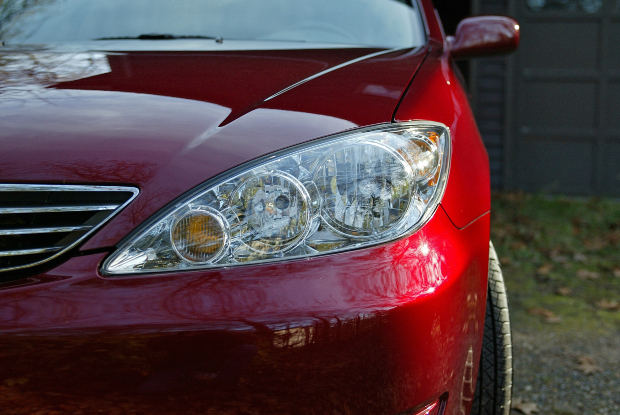
When it comes time to purchase a vehicle for you and your family, there are many things to consider. You have to think about gas mileage, practicality, maintenance costs, styling, and financing, just to name a few. You also must choose if you are going to buy or lease the vehicle, which with just a little bit of math– ends up being an easy question (you should buy!). You find yourself with a much tougher question when you ask the question should I buy a new or used car?
New cars lose a significant chunk of their value (as much as 20%) as soon as you drive off of the lot, which is rather staggering. However, even with that, there are certain factors that make purchasing a new car the more desirable option. This post will examine the main reasons why people opt for both new and used cars, and will present a third option that we here at See Debt Run have used for both of our family cars.
Home Depot Extended Warranty – Do They Really Cover Anything?

Posted by michelle in Saving Money | 54 comments Home Depot Extended Warranty A few years ago we purchased a beautiful french door LG refrigerator from Home Depot. Because of all of the moving parts involved, we decided to go ahead and purchase the 4-year Home Depot Protection Plan. When deciding if we wanted to purchase the extended warranty, we asked the salesman specifically if the warranty would cover the refrigerator doors. We had read that the doors on the French Door models (and more specifically the door that has the air-tight latch) were the most likely parts that needed repairs and replacements. The salesman reassured us that by purchasing the $79.95 4-year Home Depot protection plan, we were ensuring that everything including the doors would be covered. When we first got the fridge home, we noticed that the doors were very loud upon opening, but it never was a problem. It’s funny the way it works; nothing is ever a problem…until it’s a problem.
America’s Worst Warranty – Why I Will Never Buy Another Hyundai
When a company wrongs a customer, they typically have two alternatives:
1. Attempt to make the customer happy. It may take a small investment to do so, but in the end, companies that take care of their customers typically achieve greater success.
2. Ignore the customer’s complaint, and deal with the consequences.
This is the story of a company that chose the second option.
Smart Financing: Top-10 Car Buying Tips

Buying a car is always a step that requires thought and planning. Most often, just because this purchase costs you a tidy sum. Unfortunately, we cannot give advice on how to buy a new car at half the price. But we can tell you how to buy a car in such a way as to avoid all risks.
1. Know Your Credit Score
Your credit score is important in determining the interest rates and loan terms you are eligible for. Before you start looking for a car, get a copy of your credit report and check your credit score. A higher credit score can lead to better lending alternatives, therefore it's critical to understand your creditworthiness...
Taekwondo For Kids: Worth the High Cost?

“Integrity. Respect. Self-Control.”
Hearing my boys chant these words along with a crowd of about twenty other kids, I knew we could be onto something good here. I then watched them work their way through a series of calisthenics, punches, kicks, and jumps for the next hour. This was only their first Taekwondo class, but both boys were drenched in sweat by the time the class was over. Even more important, both boys were smiling and asking when they could come back.
Four Tips For Balancing Your Business Budget

When you are running a business, you have to be careful not to spend more money than your business is generating. Although this is common sense, it’s not always practiced. Entrepreneurs are often tempted to take a few small financial risks with their money in the hope that they will then be in a position to bring in more money.
In truth, it’s much better in the long run to avoid the thrill of this risk-taking behavior and build your business slowly, even conservatively, by maintaining a balanced budget. Yes, it’s possible that a few more well-placed ads will generate a tidal wave of traffic that will then turn into sales, but it’s equally possible that your ads will fizzle or that your offer won’t convert as well as you had forecast.